Grief: The Measure of Survival
There is a grief that does not have a shape.
It is not the grief people recognize immediately. It does not always come with a funeral, a goodbye, or a single moment where life splits into before and after.
Sometimes grief is quieter than that.
Sometimes it is the slow realization that parts of your life were spent surviving things you did not yet have the language to name.
It is the grief of lost time. Lost ease. Lost versions of yourself that might have existed if you had been understood sooner.
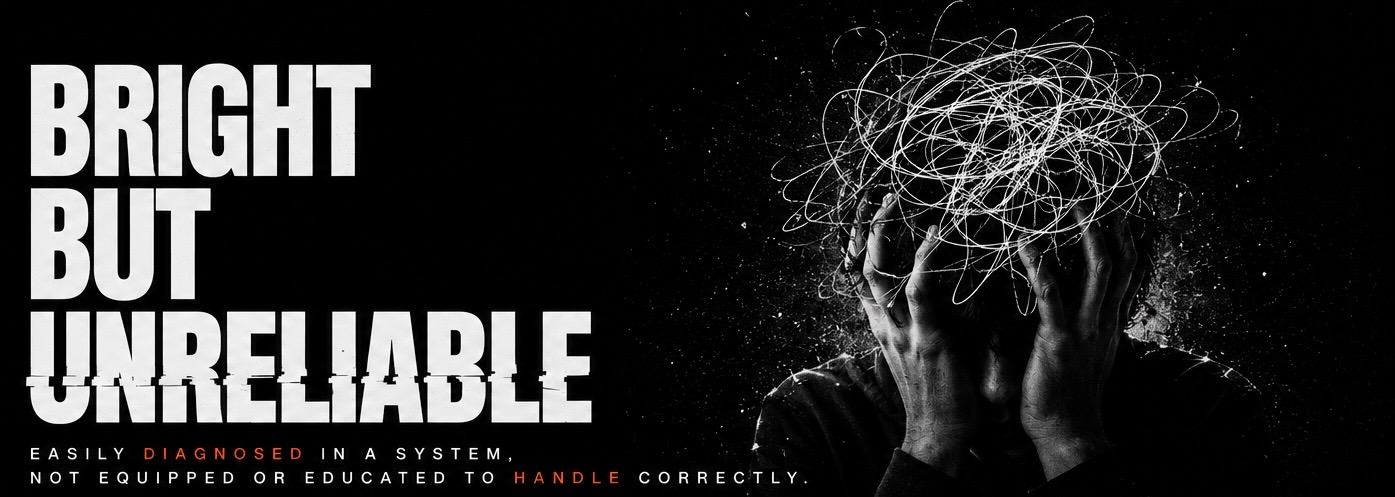
For people who grow up misunderstood, grief can become difficult to measure because the losses are often invisible. They are buried inside years of adaptation, masking, overexplaining, apologizing, and trying to become easier for other people to understand.
You grieve the child who thought being corrected meant being defective.
You grieve the teenager who mistook shame for motivation.
You grieve the adult who kept pushing through burnout because stopping felt like failure.
And eventually, you begin to understand that survival is not proof that nothing happened. Survival is proof that something did.
Grief becomes the measure of what it cost to keep going.
It is not weakness.
It is evidence.
Evidence that you carried more than people saw. Evidence that you adapted before you were protected. Evidence that the life you built was shaped not only by who you were, but by what you had to survive.
Healing does not erase that grief.
But it can give it a place to live.